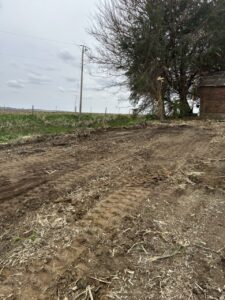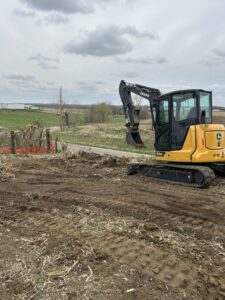
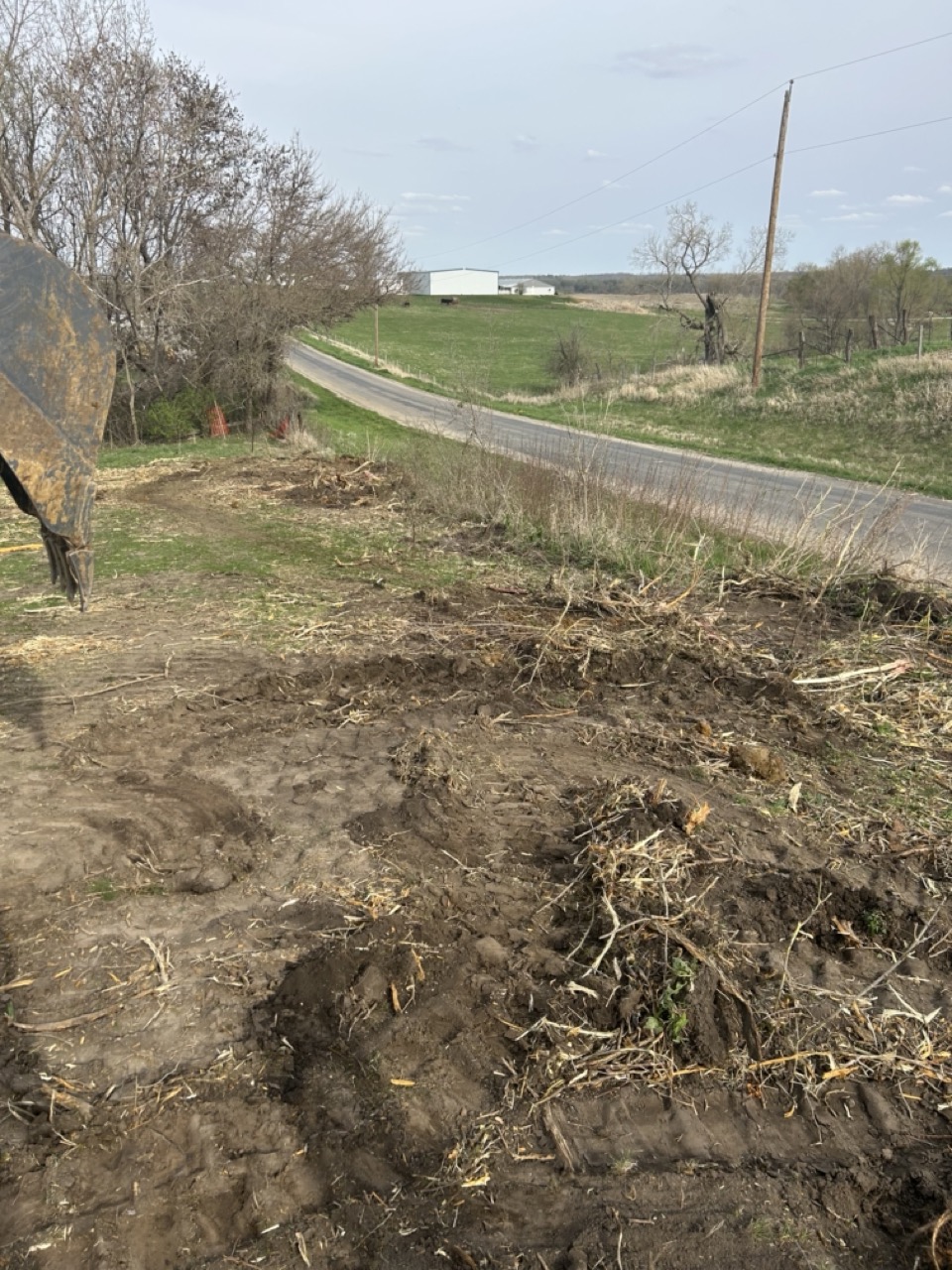
Illinois is an underrated state when it comes to natural beauty. Many people outside the Midwest picture Chicago on one end and endless cornfields everywhere else. If you live here, you know that picture misses a lot. Illinois has dense wooded areas, rolling farmland, riverbanks, overgrown acreage, and property that has been left untouched for decades.
However, sometimes that beauty gets in the way of your plans. Overgrown land makes it difficult to build, landscape, or even access certain parts of a property. Many of our customers contact us assuming land clearing costs too much, only to learn that pricing depends on several specific factors, not just acreage alone.
In this blog post, you’ll learn what land clearing involves, what affects land clearing cost in Illinois, and what you can do ahead of time to help lower the overall price.
What Is Land Clearing?
Land clearing involves removing unwanted vegetation, trees, brush, and surface debris so that the land becomes usable for a specific purpose. Homeowners often schedule land clearing before starting construction, to improve drainage, or reclaim their overgrown property. Proper land clearing supports site preparation and helps prevent problems later in the project.
When homeowners call us to schedule land clearing in Illinois, we show up with a clear and organized process. Here’s what that process looks like.
- Property evaluation: We walk the land to assess vegetation removal needs, terrain, access points, and property size so pricing reflects real conditions.
- Equipment selection: We choose equipment based on tree density, ground conditions, and the type of growth being removed to avoid unnecessary disturbance.
- Vegetation removal: Our crew clears trees, brush, and thick growth in a controlled way that protects the soil and surrounding areas.
- Debris management: Crews handle mulching, hauling, and other debris disposal methods based on the project goals.
- Final site preparation: The land is left stable, accessible, and ready for the next phase of construction or improvement.
Land clearing works best when it follows a plan instead of guesswork, which explains why professional crews rely on process instead of shortcuts.
What Affects the Price of Land Clearing in Illinois?
Many people don’t realize that Illinois has some of the thickest and most difficult vegetation to remove, especially without professional equipment. The following factors play a major role in determining land clearing costs.
Property Size and Layout
Property size influences pricing, but not in the way most people expect. Larger properties take longer to clear, but layout matters just as much as acreage. Long, narrow parcels, uneven boundaries, and segmented areas slow equipment movement and increase labor time. Open access lowers cost. Restricted movement raises it.
Vegetation Type and Density
The type of vegetation on the land makes a major difference. Light brush clears quickly. Thick undergrowth, invasive species, and mature trees require more time and heavier equipment. Dense vegetation removal often involves multiple passes to fully clear the area, which increases equipment and labor use.
Equipment and Labor Requirements
Some projects require specialized machinery to safely handle heavy growth and uneven terrain. Steep slopes, soft soil, and large trees limit which machines can operate safely. More complex jobs require additional crew members, longer workdays, and careful coordination, all of which affect pricing.
Debris Disposal Method
What happens to the cleared material also affects the final cost. Some projects allow mulching on site, which reduces hauling. Others require debris disposal through removal and transport. The volume of material and disposal method both influence labor time and fuel usage.
How To Lower the Cost of Land Clearing Before Scheduling
Land clearing is rarely a DIY job, but you can take a few simple steps before scheduling service that help reduce the overall cost.
- Mark property boundaries: Clear boundaries prevent crews from spending time confirming limits and reduce unnecessary clearing.
- Identify access points: Easy equipment access shortens setup time and improves efficiency.
- Remove small obstacles: Clearing loose debris or abandoned items allows crews to focus on vegetation removal instead of cleanup.
- Combine projects: Scheduling land clearing alongside other site preparation work reduces repeat equipment mobilization.
- Communicate goals clearly: Knowing whether the land needs full clearing or selective removal prevents extra passes and rework.
These small preparation steps help our crews work more efficiently, which directly lowers equipment costs and labor time.
Call J&J Forestry Mulching and Land Management
If you’re planning any major construction or landscaping project on unused land, don’t attempt to clear it yourself. You risk uneven ground, drainage problems, equipment damage, and higher costs down the line.
Instead, call J&J Forestry Mulching and Land Management at (309) 865-5535 to schedule professional and affordable land clearing services in Illinois. If you’re still unsure what affects the cost of land clearing on your property, reach out today and get a free quote based on your specific land conditions.